Paqarina
Paqarina builds community-governed movement datasets with dancers across four Bolivian traditions, fusing ancestral dance with breakdancing through ch’ixi logic.
Funded by the Mozilla Foundation.
Kullawada · Weaving and spinning knowledge
June 2026 · Paqarina · Aymara Altiplano · Notebook 01
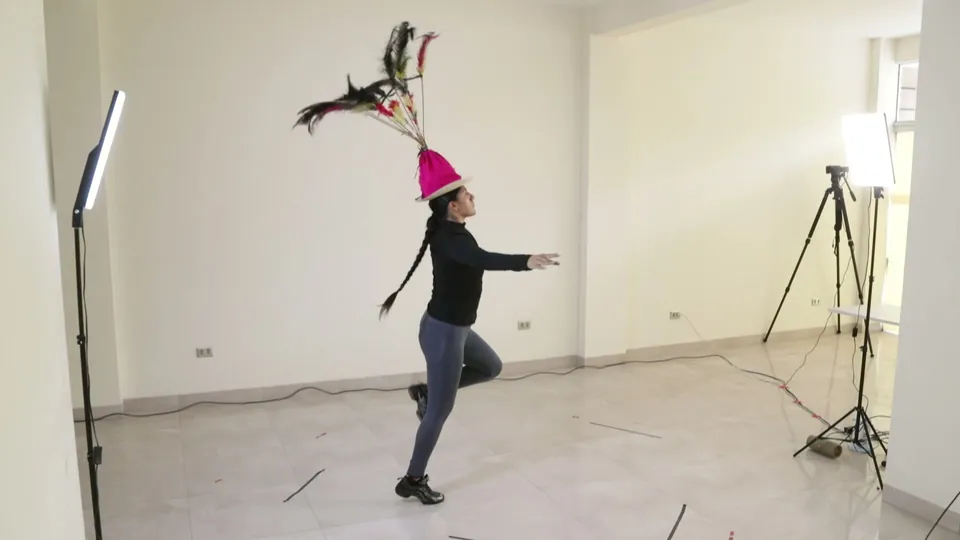
The Kullawada translates the art of spinning and weaving into a living system of knowledge: the spindle as algorithm, the thread as collective memory, the weave as community intelligence. A teaching guide with symbols, characters, costume and spatial formations, made for the dancers.
Open the notebook In Spanish.
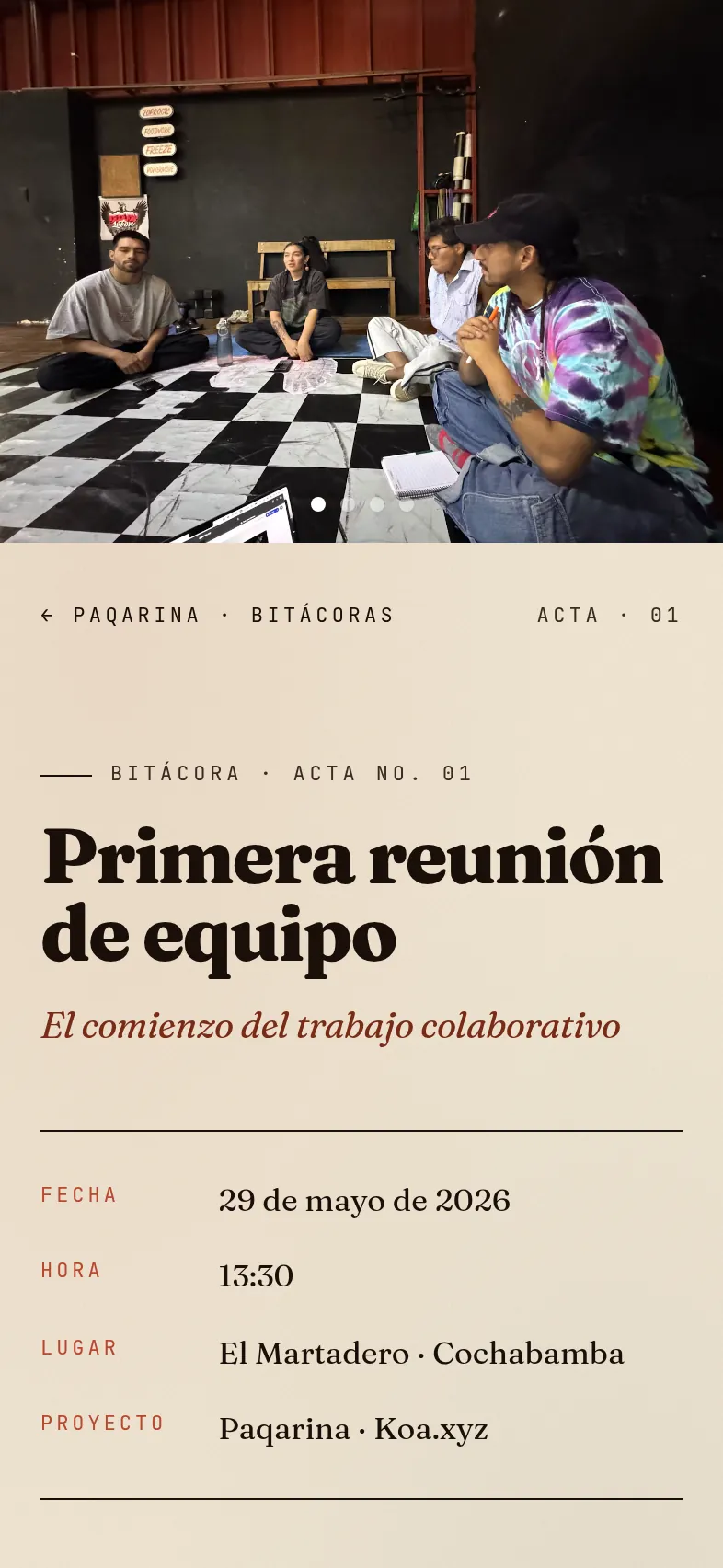
Acta 01 · First team meeting
29 May 2026 · Paqarina · El Martadero · Log
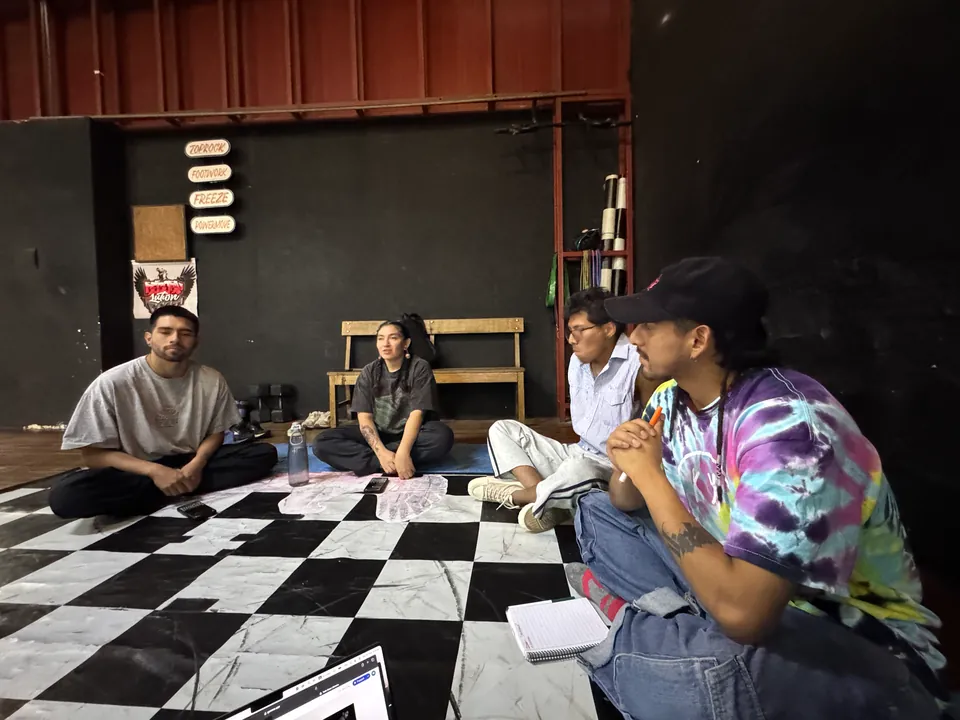
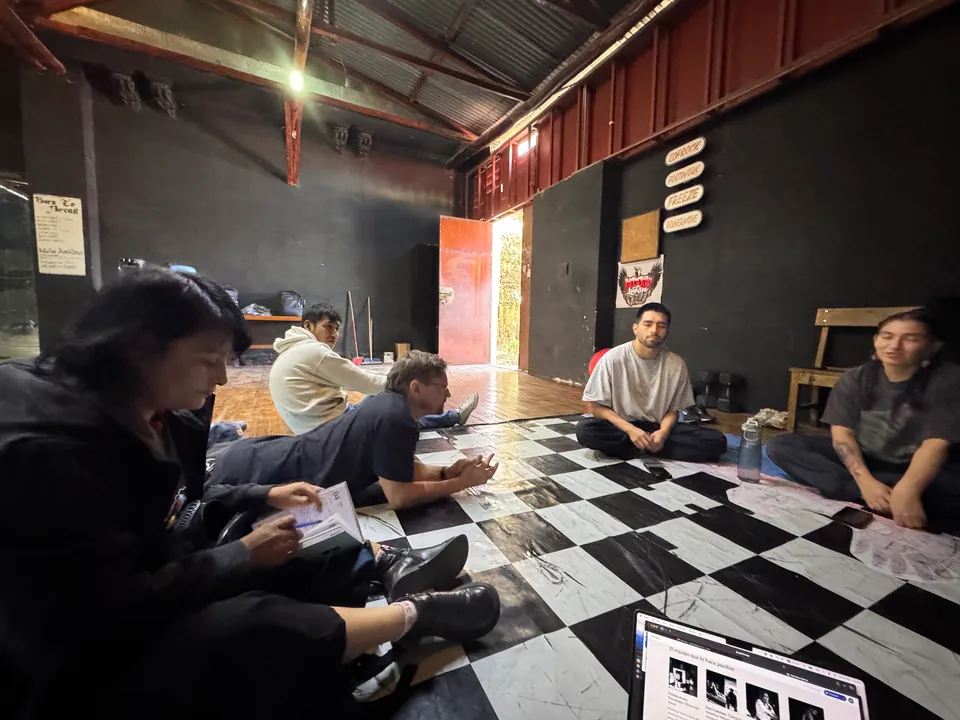
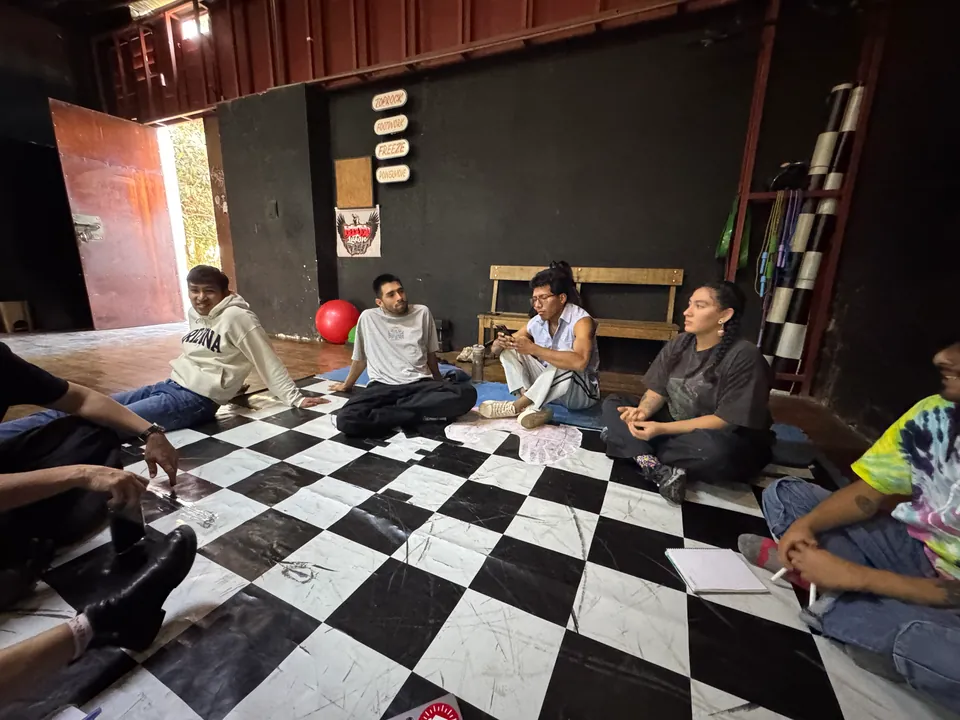
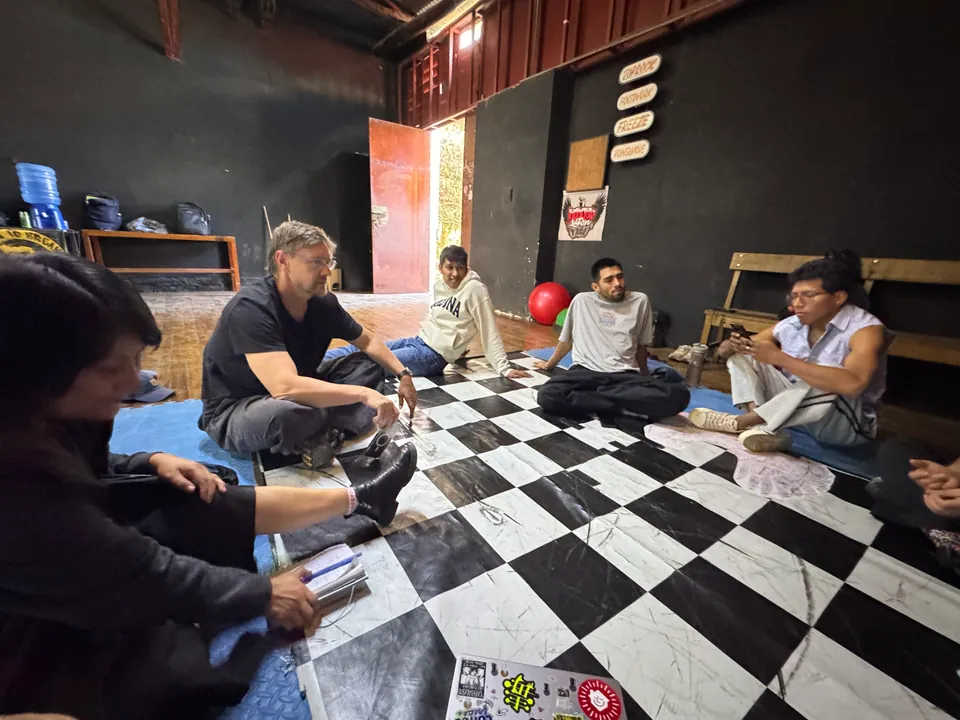
The first meeting of the Koa.xyz lab with the Paqarina team. The project is presented, the four dances of the first phase are defined (Tinku, Suri Sikuri, Tobas, Kullawada), and the team decides to begin the creative work with the Kullawada.
Open the notebook In Spanish.
The archive
Tinku and kullawada have no motion dataset anywhere in the world. Paqarina builds its own, in a rehearsal room in Cochabamba, with the people who dance these dances.
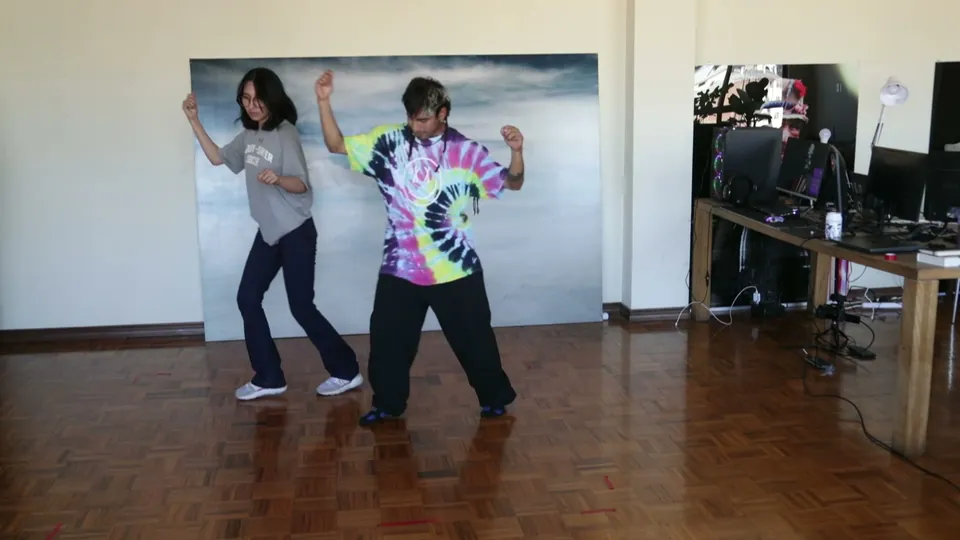
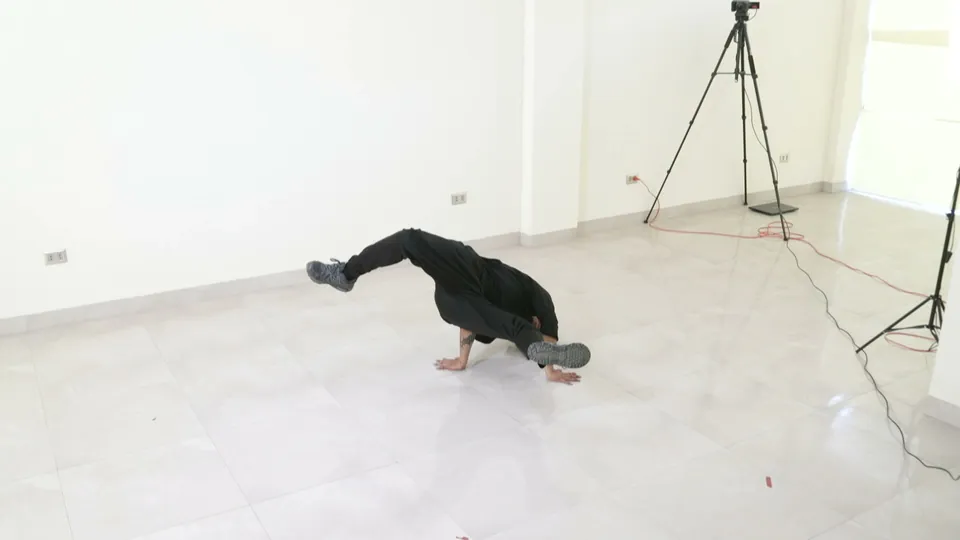
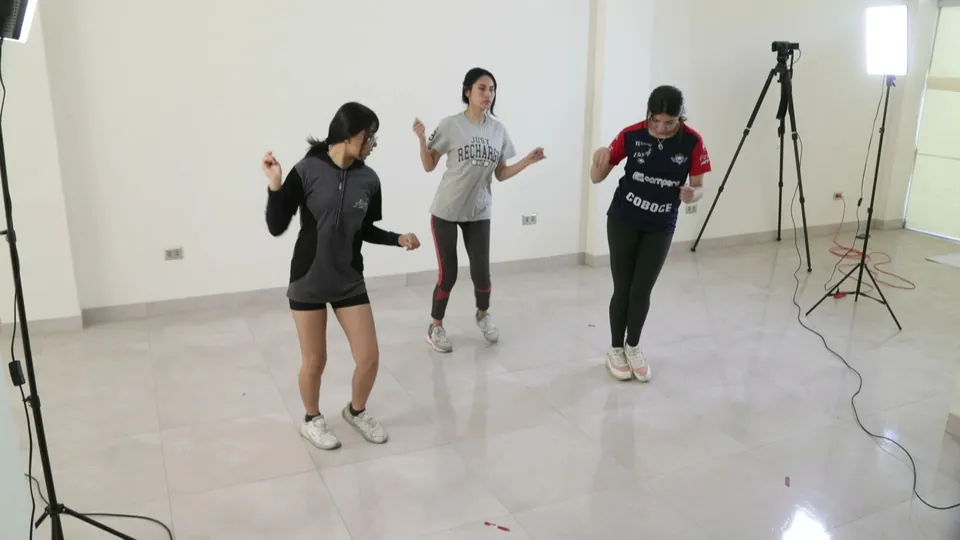
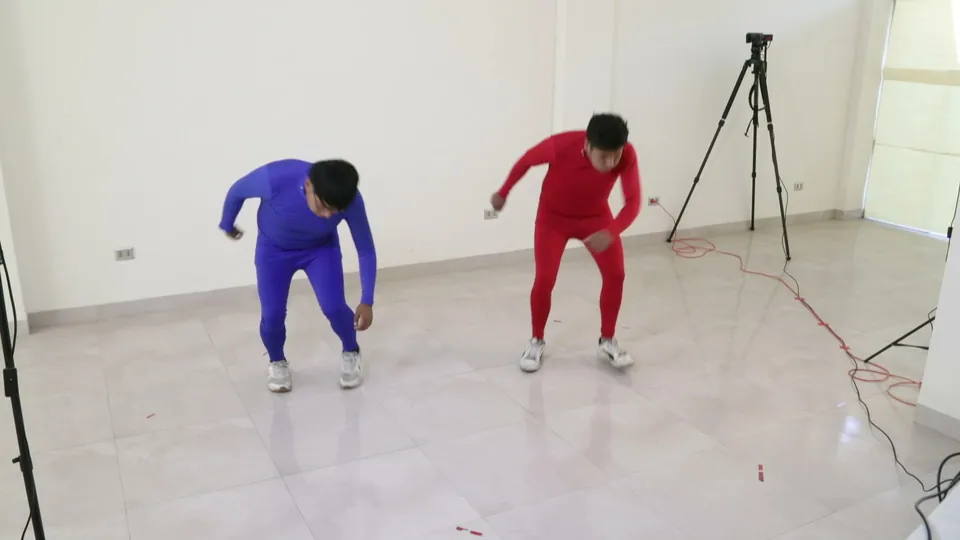
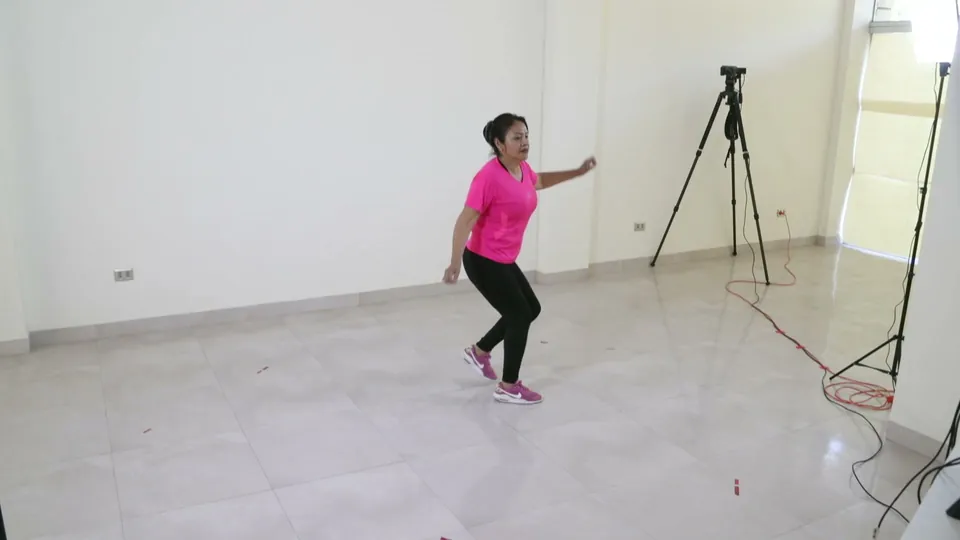
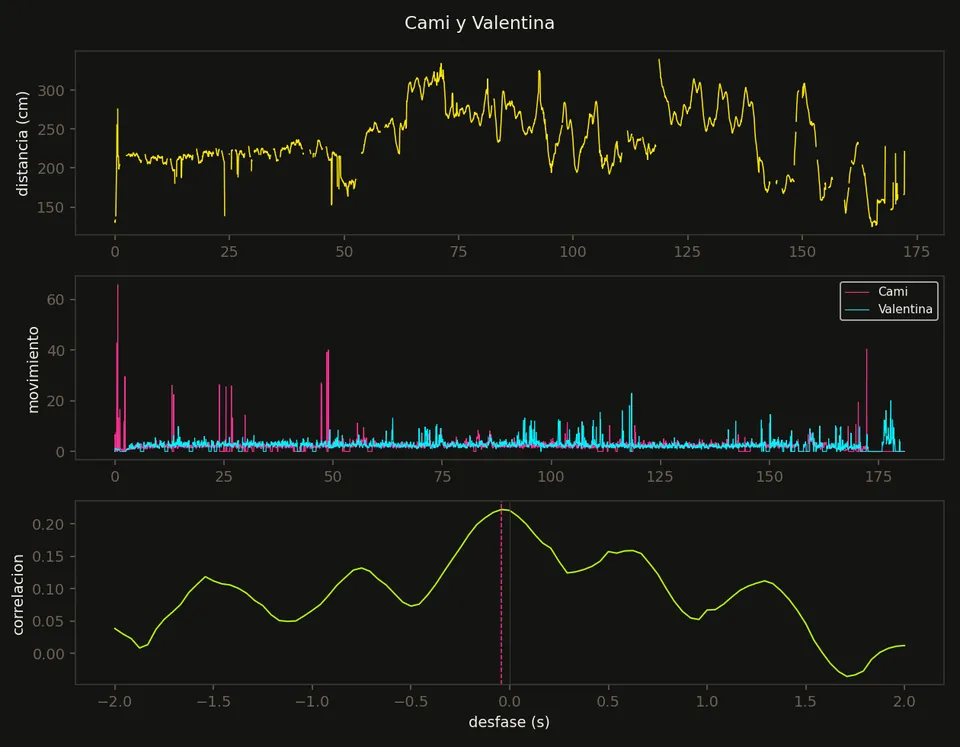
4.4 hours of dance recorded so far, each take filmed by four cameras: breaking, kullawada, suri sikuri and tinku, solos and pairs. Each frame holds 26 body points. More than twenty dancers, from 17 to 70 years old. The older dancers exist in no other dataset.
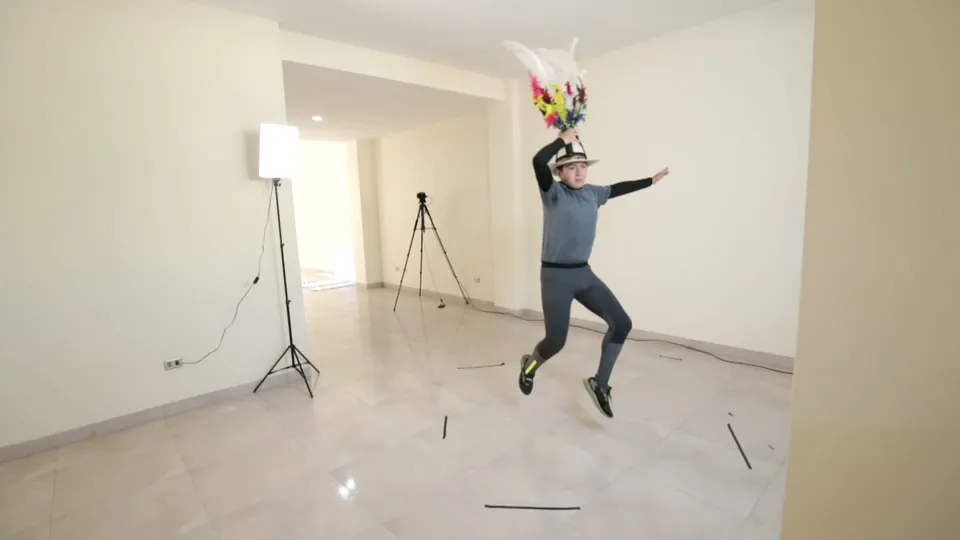
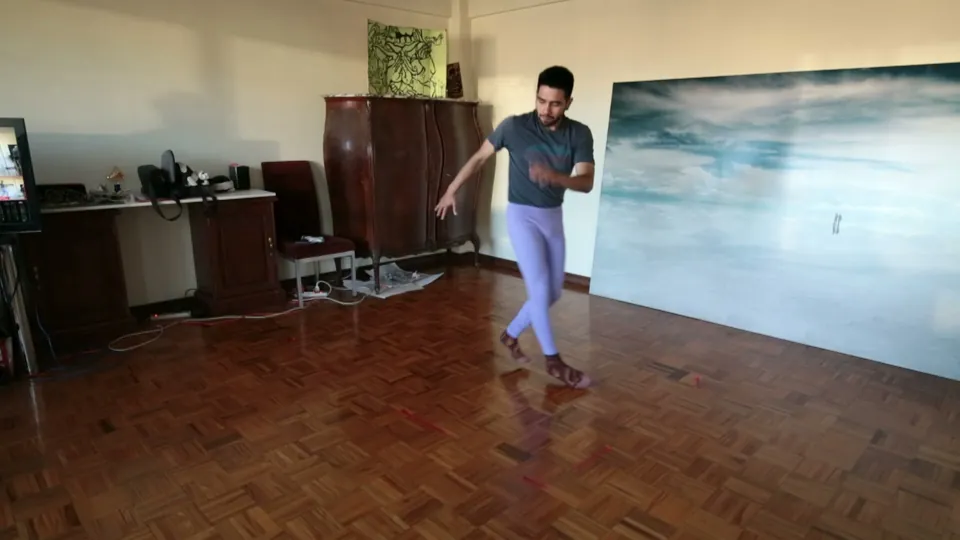
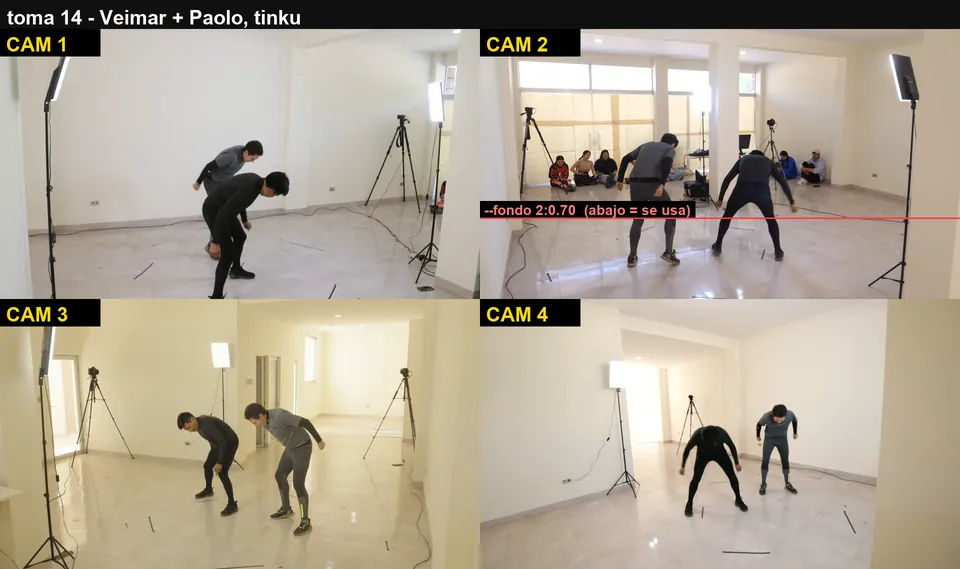
Four ordinary cameras
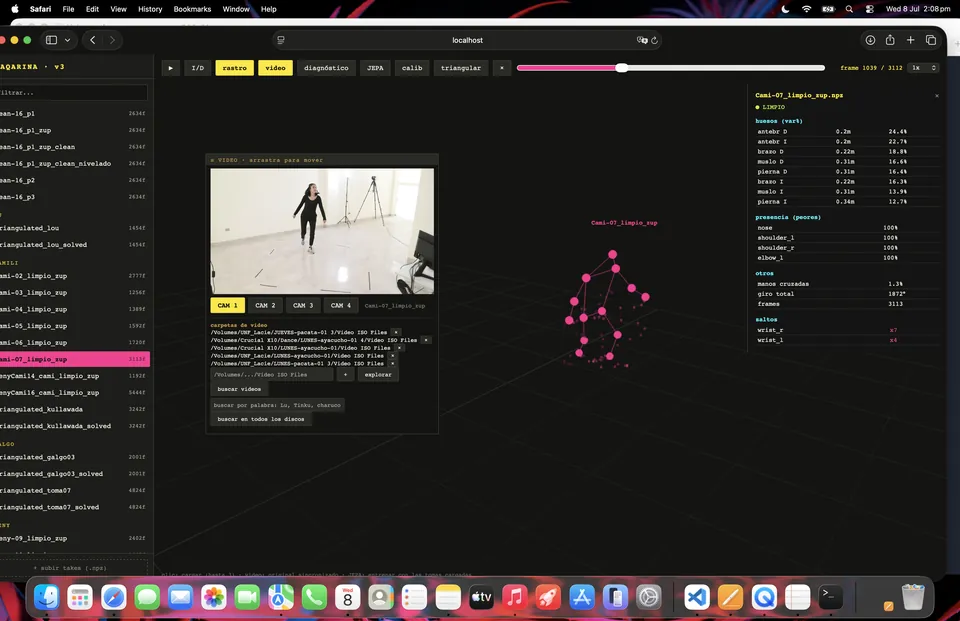
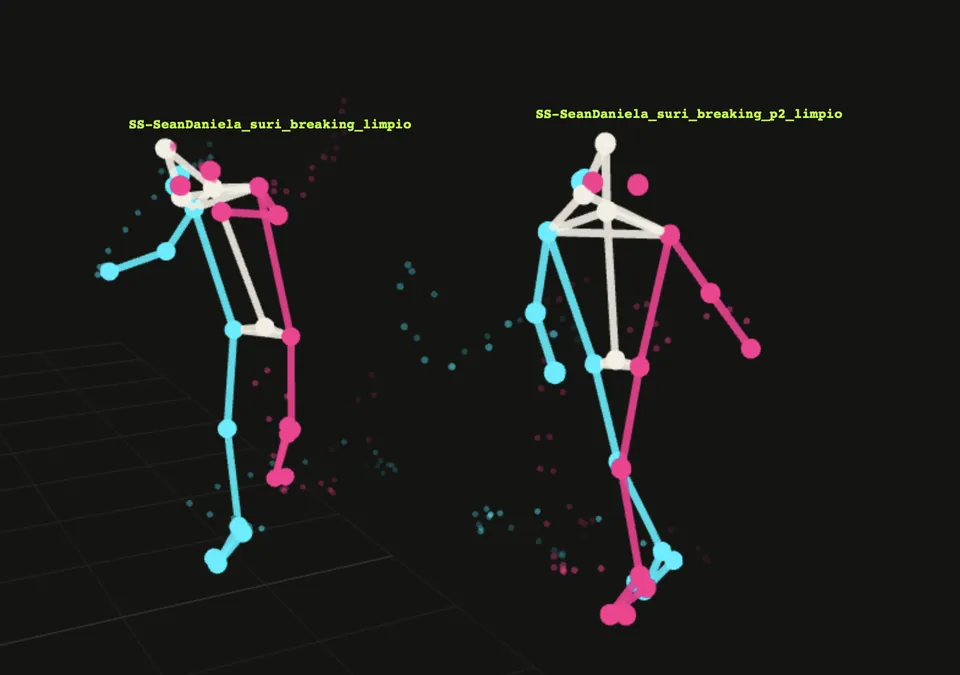
Three or four cameras on tripods, calibrated with a chequerboard that every camera can see. The dancers clap on camera to sync, say the label out loud and dance two or three minutes. The films become 3D skeletons, levelled to the floor and checked bone by bone. A femur does not change length with the pose; if it does, the take goes back.
A browser app holds the archive: every take in 3D beside its camera views, with a check for every bone, tabs to calibrate, triangulate and train, and one that asks the model for new dance and sends it to Blender as a dressed avatar. Dancers and choreographers use it without touching code.
What the model keeps, and what it loses
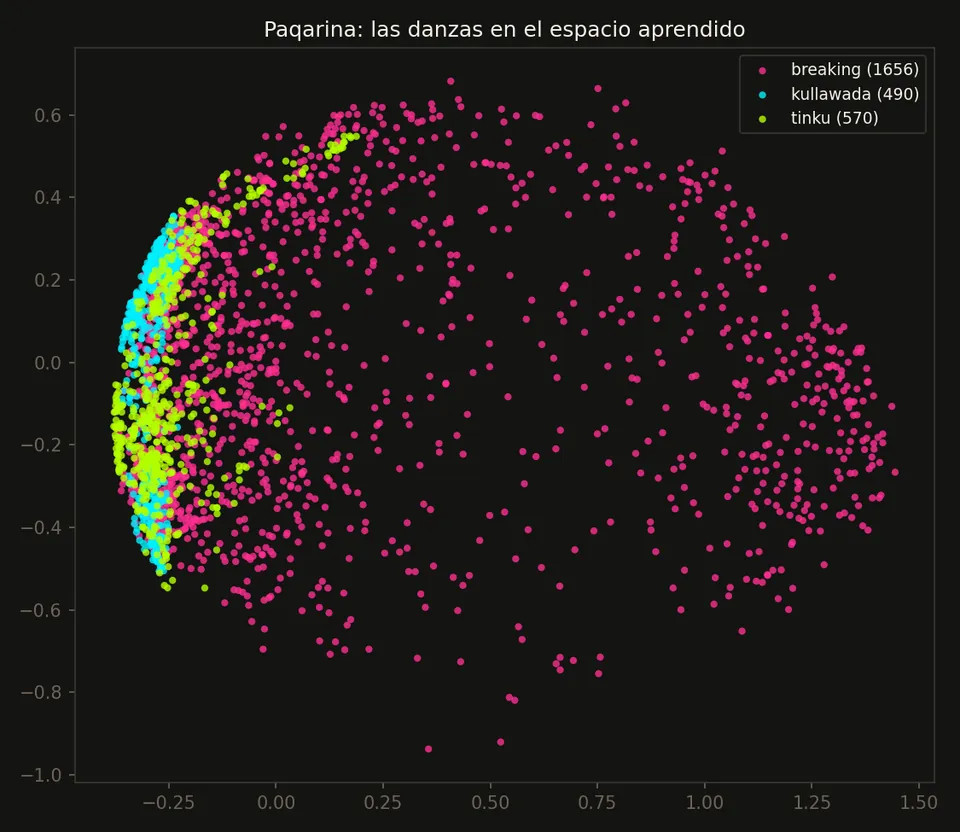
An encoder learns six-second windows of movement. A diffusion model makes new windows for a given dance, and a decoder turns them back into a skeleton.
The model keeps every single quantity: speeds, heights, angles, reach. It loses the relations between them: the hip that cancels the leg, the feet that alternate, the slow phases of a planted foot. That is why generated dance slides while every number looks right.
A filter meant to remove tremor was eating the dance itself. Real tinku carries 19% of its energy above 6 Hz, in the foot strikes and the hand accents.
Every claim carries its measurement. Conclusions we take back stay in the record. Nothing is believed from a single random seed.
The avatar and the robot
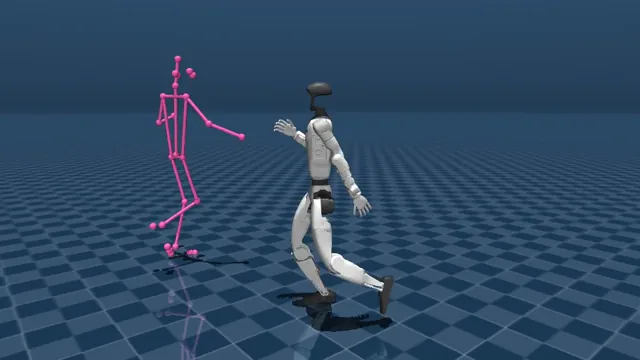
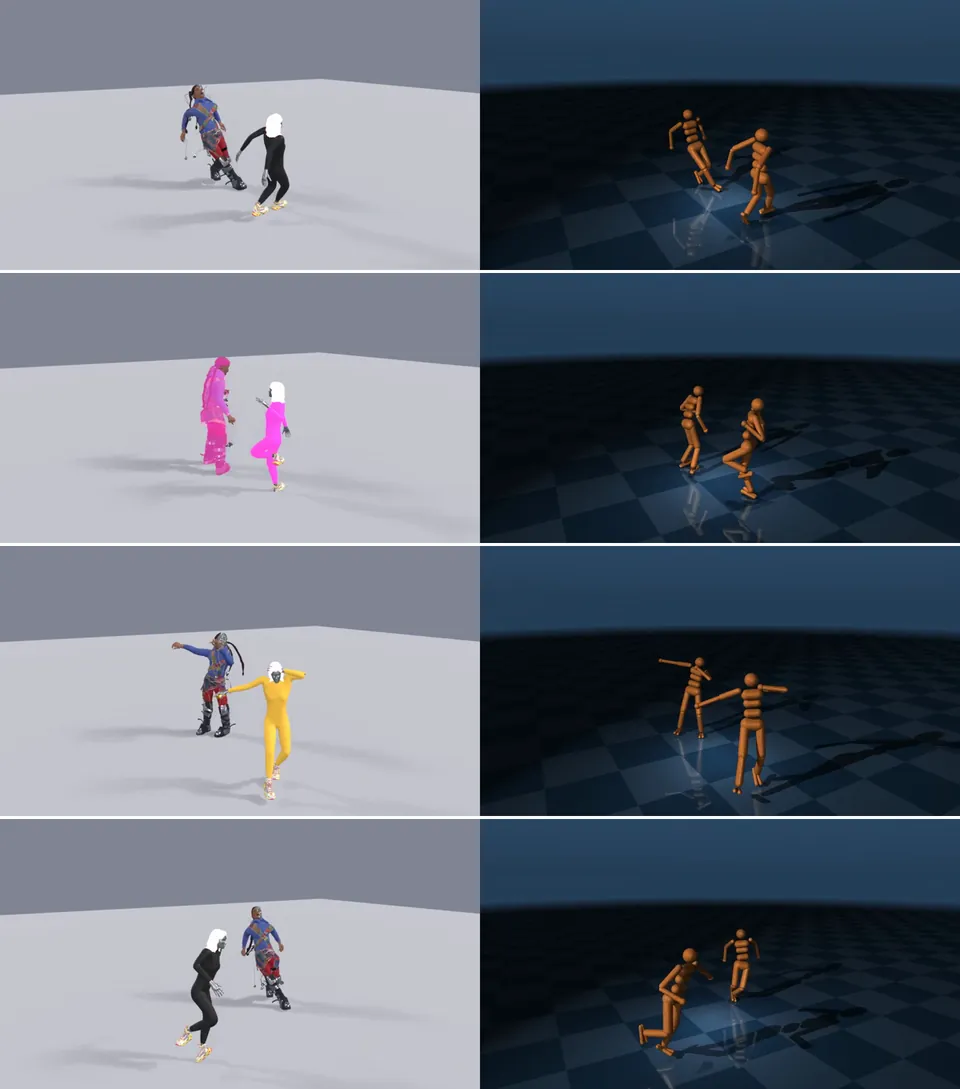
The real and the generated dance drive an avatar in Blender and a Unitree G1 humanoid in MuJoCo simulation. A balance policy learned to dance a whole 30-second tinku phrase standing, with no harness, from 12 of 17 starting poses. What unlocked it was taking the harness away in training: the policy had learned to hang from it.
What the avatar does best, the most vigorous tinku in the archive, is exactly what the robot cannot do.
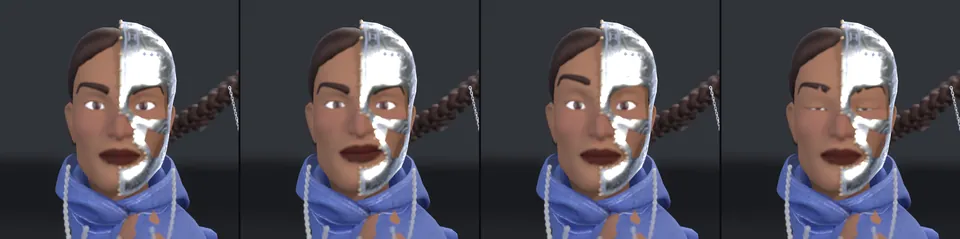
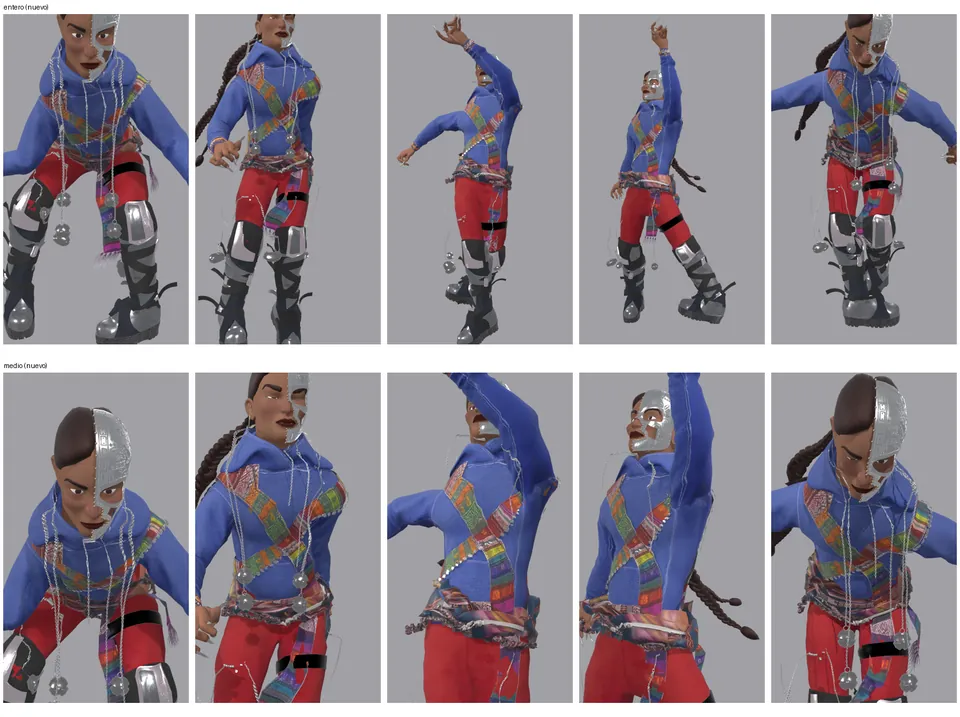
Capture system: Dan Fallshaw. Rigs: Brian Condori.
Tools: Python · OpenCV · multi-camera triangulation · PyTorch · Blender · MuJoCo and MJX · TouchDesigner · a browser app on the lab's own server